A new concept is emerging: vibe marketing. Coined in tech, vibe marketing now describes a hands-on-yet-automated approach to managing customer engagement. In loyalty marketing, it means using intelligent tools to create highly personalized, data-driven programs—without getting lost in technical complexity. Rather than replace marketers, vibe marketing frees them to focus on strategy and creativity. For those looking to scale loyalty efforts with precision and agility, VEMT provides the structure and automation needed to bring the right “vibe” to every customer interaction.
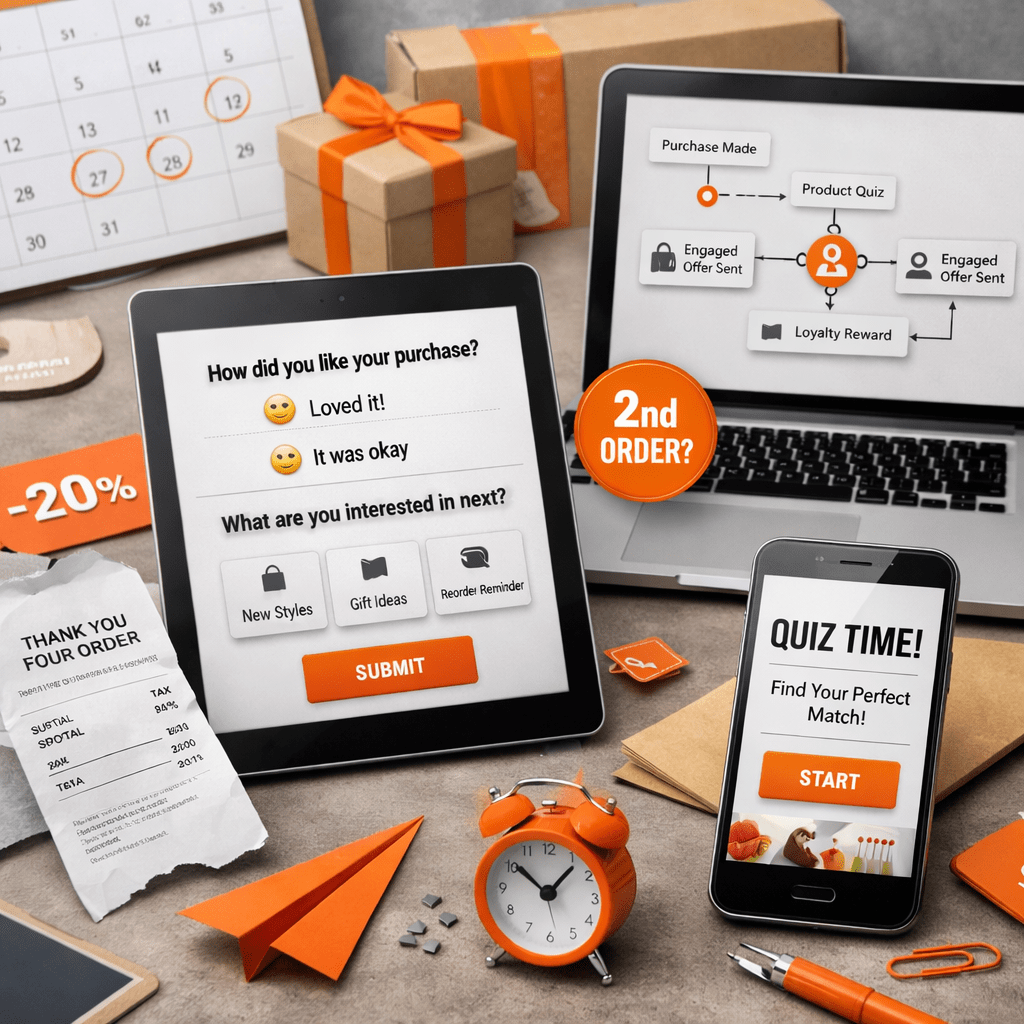
From ‘Winning a customer’ to ‘Keeping a customer’: the next purchase.
You worked hard to win that customer’s first purchase. But what happens next? Keeping a customer: strategies for the next purchase.
The gap between the first and second visit and purchase is where most loyalty programs and retention tactics fail. And you keep spending budgets on ads.
Marketing teams invest heavily in acquisition. Media budgets increase. Targeting becomes more sophisticated. Creative gets sharper. The first conversion is celebrated.
And then… silence.
The customer enters a generic post-purchase flow. A receipt. A delivery update. Maybe a newsletter. Meanwhile, time passes — with every day, the probability of a second purchase declines.
The truth is: retention doesn’t fail because marketers don’t understand its importance. It fails because it’s difficult to operationalize at scale without the right setup.
If the journey from first to second purchase isn’t personalised, timely, and data-driven, it becomes guesswork.
Here are three implementable ways to close that gap — all achievable within the VEMT platform.
1. Turn the First Purchase into a Data Moment — Not Just a Transaction
Many brands treat the first – or actually any – purchase as an endpoint. It should be a starting point.
The post-purchase moment should become an opportunity to collect structured, zero-party data directly from the customer — seamlessly integrated into the experience.
Instead of sending customers to an external survey tool, you can:
- Embed interactive modules directly in confirmation flows or follow-up messages
- Ask preference-based questions tied to future recommendations
- Capture intent signals (usage, gifting, frequency, category interest)
The result?
You don’t just know what they bought. You understand why they bought it — and what they might want next.
This enables marketing teams to move from assumptions to actionable segmentation immediately after purchase.
And because VEMT is built to be intuitive, these flows can be configured and adjusted without long development cycles — even when teams change or new colleagues join.
2. Replace Generic Post-Purchase Emails with Automated Behaviour Journeys
Many retention flows are static. A fixed email sequence. A fixed timeline. One-size-fits-all logic.
But customers behave differently.
VEMT allows you to build automated journeys triggered by actual behaviour:
- Product usage signals
- Engagement with interactive content
- Time-to-next-likely-purchase windows
- Category browsing after purchase
Instead of sending the same “How did we do?” email to everyone, you can:
- Offer complementary products based on stated preferences
- Trigger reminders aligned with expected consumption cycles
- Activate incentives only for customers showing declining engagement
This releases time in marketing teams. Once the logic is set up, it runs continuously — optimising based on real engagement data rather than assumptions.
And because VEMT collects more actionable consumer data than regular campaigns, each interaction strengthens the next one.
3. Create Interactive Micro-Campaigns Between Purchases
The period between first and second order doesn’t have to be passive.
With VEMT, brands can launch lightweight, interactive micro-campaigns targeted specifically at first-time buyers:
- Product match quizzes
- Style or usage guides
- Replenishment reminders based on self-reported consumption
- Loyalty nudges tailored to interest segments
These campaigns don’t just “remind” customers. They involve them.
The difference is significant.
Instead of pushing more promotional emails, you create engagement loops that:
- Collect new data
- Refine segmentation
- Increase relevance
- Shorten time to second purchase
And because the platform is designed for marketers — not developers — these campaigns can be built, launched, and optimised without heavy technical dependency.
In a world where marketing teams frequently change roles, ease of use is not a luxury. It’s a prerequisite for continuity.
Retention Is Not a Department. It’s a System.
Winning the first purchase proves your brand can convert interest into action.
Winning the second proves you understand your customer.
The gap between the two is not about sending more messages. It’s about activating better data, smarter automation, and more relevant experiences.
When retention becomes operational — not manual — marketing teams gain back time. And customers experience something that feels considered, not generic.
That’s where sustainable growth begins.
Related VEMT Resources